Less noise. More possibility. A better digital life.

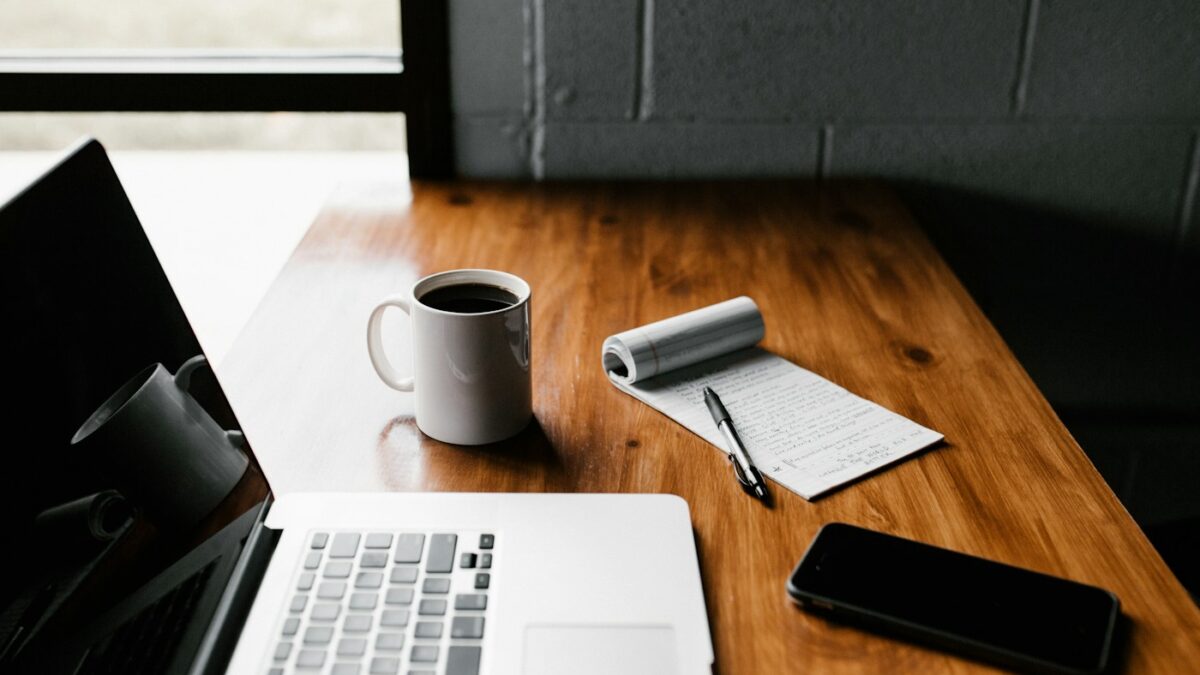
Most of us did not choose the digital life we now live. It arrived one notification, one app and one subscription at a time, and it now takes up hours of every day. In the UK, adults now spend an average of four and a half hours online a day, according to Ofcom’s Online Nation 2025 report — ten minutes more than the year before. Young adults aged 18 to 24 spend the most, at six hours and twenty minutes a day. The question is no longer whether technology belongs in our lives. It is whether it is working for us, or simply keeping us busy.
A better digital life is not a smaller one. It is a more deliberate one. The aim is not to delete every app or to feel guilty about screen time. It is to decide, in advance, what each tool is for — and to make the tools that earn their place easy to reach, and the ones that do not harder to fall into.
Start with the one number that matters
Before changing anything, look at where the time actually goes. Both iPhone and Android phones already keep this record. On an iPhone, Screen Time shows how long you spent in each app, how many notifications you received and how often you picked up the phone. Android’s Digital Wellbeing dashboard shows the same picture: time per app, number of opens and notifications.
Check one ordinary weekday, not a holiday. Most people find the same pattern: a small number of apps take most of the time, and a large share of it is not something they planned. That pattern is the whole project. You do not need to fix everything — you need to fix the two or three places where time leaks without giving anything back.
Give every app a job
Open your home screen and ask each app a plain question: what is this for? The apps that survive are the ones with a clear answer — messages for keeping in touch, maps for getting somewhere, a notes app for capturing ideas, a banking app for paying a bill. The apps that fail the question are usually the ones built to keep you scrolling: feeds with no end, videos that start the next one for you, inboxes that mix the urgent with the promotional.
Move the keepers to the first screen and the time-wasters somewhere harder to reach. Turn off notifications for everything except messages from real people and the handful of alerts you would genuinely miss. A notification is a request for your attention; most apps have not earned the right to make it.
Use the limits already on your phone
You do not need a new app to manage your apps. On an iPhone, Screen Time can set a daily limit for a category such as Social Networking, or for one app, and can schedule Downtime — a window, for example during dinner or before bed, when only the apps and contacts you allow are available. A five-minute reminder arrives before Downtime begins. Android’s Digital Wellbeing offers the same idea through app timers and Bedtime mode, which silences notifications and turns the screen greyscale at the hour you choose.
Set one limit and one quiet window, and give it a week. A limit that is easy to ignore will be ignored — on an iPhone, a Screen Time passcode stops the “ignore limit” tap from becoming a habit. The point is not discipline. It is friction: a small pause between the impulse and the scroll is usually enough for the better intention to win.
Make the good things easier
Cutting back only works if something better takes the freed time. Put the book, the walk, the recipe or the call to a friend where the feed used to be. Charge the phone outside the bedroom and use an alarm clock — the cheapest change in this whole article, and the one people report noticing first, because the morning no longer starts inside an inbox.
Keep one screen-free habit that is genuinely enjoyable, not a chore dressed up as self-improvement. A better digital life is measured in what you get back: attention for the people in the room, an evening that feels longer, a mind that is not already full before the day begins.
Less noise, more possibility
None of this requires buying anything or joining a movement. It takes an evening of honest looking, a few settings changed, and a willingness to revisit them when life changes. The tools are already good at what they do. The work is deciding what they are for — and then letting the rest of the noise go.

Ekaterina Saar is the editor of ContentOcean, covering UK entertainment, sport, money and lifestyle. She researches every article from news reports and official sources and keeps them updated as new information comes out.