How to Get Rid of Mould on Walls (and Stop It Coming Back)

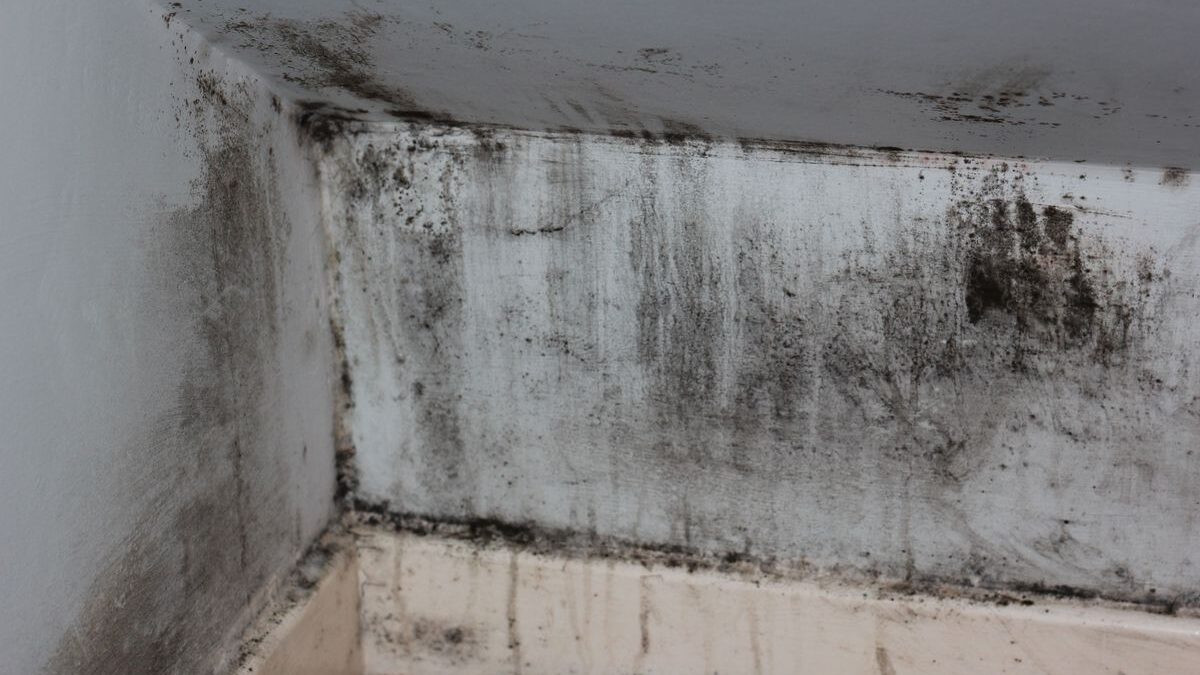
Black spots spreading across the bedroom wall, a musty smell behind the wardrobe — mould is one of the most common problems in UK homes, and it peaks every winter. Cleaning it off is only half the job: unless you deal with the moisture behind it, the mould will simply grow back. This guide covers both halves — identifying the cause, cleaning safely, and the prevention habits that keep walls clear.
| Difficulty | Easy for small patches; call a professional for large or spreading areas |
| Time | 30–60 minutes for a small patch; prevention is an ongoing habit |
| Cost | A specialist mould remover costs a few pounds; a hygrometer is about £10 |
| Tools needed | Rubber gloves, mask, goggles, cloth or sponge, mould remover, bucket, old towels |
| When to do it | As soon as you spot mould — and keep up the prevention routine through winter |
What you’ll need
- Specialist fungicidal mould wash — sold in supermarkets and hardware shops for a few pounds; formulated for the job and the most reliable option.
- Rubber gloves, a dust mask and goggles — mould spores and cleaning products are irritants.
- Cloth or sponge, and a bucket of water — always wipe with a damp cloth; never use a dry brush or vacuum on mould, as both send spores flying.
- Old towels — to protect flooring and dry the cleaned area.
- A hygrometer (optional) — about £10 from hardware shops; shows whether rooms sit in the 50–60% humidity range where mould struggles.
Step-by-step
- Work out which kind of damp you’re dealing with — before you clean anything. The right fix depends on the cause:
- Condensation (by far the most common). Warm, moist air from cooking, showering, drying clothes and even breathing hits a cold surface. Signs: water on windows in the morning, black mould spots in corners, behind furniture and around window frames, worst in winter.
- Penetrating damp. Water getting in from outside — a leaking gutter or downpipe, damaged roof, cracked render or failed pointing. Signs: a damp patch that grows after rain, often on one wall or ceiling, sometimes with tide marks.
- Rising damp. Ground water drawn up through walls — ground floor only, with a horizontal tide mark up to about a metre from the floor, rotting skirting boards and salty deposits. Much less common than often claimed: many “rising damp” problems are actually condensation, so get an independent survey before paying for expensive treatment.
- Gear up and ventilate. Gloves, mask and goggles on; open a window and keep the room ventilated during and after cleaning. If you have asthma that mould triggers, a weakened immune system, or are pregnant, ask someone else to do the job — disturbing mould releases spores.
- Clean with a fungicidal wash. Apply the mould remover per the product’s own instructions, give it the stated contact time, then wipe it off with a damp cloth, rinsing the cloth often in a separate container of clean water. A note on bleach: diluted bleach can kill surface mould on hard, non-porous surfaces, but it mostly removes the colour rather than reaching the roots — so the mould often returns quicker, especially on porous materials like plaster. A specialist mould wash is the more reliable choice. Either way, never mix bleach with vinegar, ammonia or any other cleaning product — the combination can release dangerous gases. On porous surfaces such as wallpaper and plaster, mould’s roots run deeper than the surface. Strip mould-damaged wallpaper rather than cleaning it, and if the plaster underneath is heavily affected or crumbling, call in a professional — deep-set mould isn’t a DIY job. Never paint over untreated mould: it will grow straight through the new paint. Once the area is fully clean and dry, redecorating with a fungicidal paint helps keep it at bay.
- Dry the area thoroughly. Residual moisture invites regrowth immediately. Towel-dry the area, air the room, and run a fan or dehumidifier at the wall until it’s fully dry to the touch.
- Stop it coming back — the prevention routine. Cleaning without changing the conditions guarantees a repeat. The habits that work:
- Ventilate where moisture is made — extractor fan in the bathroom (keep it running about half an hour after a shower), cooker hood when cooking, trickle vents left open.
- Heat every room properly — at least 16°C, ideally around 18°C, so walls stay above the temperature where condensation forms. If radiators are cold at the top, bleed them so they heat evenly.
- Don’t dry clothes indoors without ventilation — outside if you can, otherwise a closed room with a window ajar or the extractor on, a vented tumble dryer, or a dehumidifier.
- Let air reach cold walls — pull furniture a few centimetres from external walls; trapped air behind a wardrobe is a classic mould spot.
- Wipe condensation off windows rather than letting it sit, and aim for 50–60% relative humidity — if your hygrometer reads higher, a dehumidifier is worth it.
- Keep heat in without sealing airflow — draught-proofing your home cuts bills, but never block extractor fans or trickle vents.
Safety
- Protective gear every time — gloves, mask, goggles and an open window; mould produces allergens, irritants and spores that are harmful to health.
- Never mix cleaning products — bleach plus vinegar, ammonia or other cleaners can release hazardous fumes.
- Mind electrics near damp. If the mouldy area is around sockets, switches or the consumer unit, or the wall itself is wet, don’t go near it — call a qualified electrician first.
Damp and mould mainly affect the airways and lungs, but can also affect the eyes and skin. If you’re worried about symptoms, speak to a healthcare professional rather than diagnosing yourself.
When to call a professional
- The patch keeps spreading or covers a large area — large-scale removal needs proper containment.
- The cause is penetrating or rising damp — you need a qualified surveyor and a tradesperson to repair it; no amount of scrubbing fixes a leaking gutter or failed damp-proof course.
- Mould is deep in porous materials — crumbling plasterboard or timber needs removal and replacement, not surface cleaning.
- It returns despite good ventilation and heating — a hidden leak or cold bridge may need finding.
If you rent: your landlord’s responsibilities
Report damp and mould in writing with dated photos, and keep copies. Under UK government guidance, landlords must respond sensitively and with urgency, identify and tackle the underlying cause (simply removing surface mould won’t stop it reappearing), and use a qualified professional where appropriate — and they must not blame your lifestyle.
The law is on your side. Under the Homes (Fitness for Human Habitation) Act 2018, rented homes must be fit to live in, and tenants can take their landlord to court for repairs and compensation. Damp and mould are also hazards under the Housing Health and Safety Rating System, which your local council’s environmental health team can enforce. And since October 2025, Awaab’s Law requires social landlords in England to investigate reported damp and mould within strict legal timeframes and repair within set deadlines.
Frequently asked questions
Does bleach kill mould on walls?
Diluted bleach can kill surface mould on hard, non-porous surfaces, but it mostly removes the colour and doesn’t reach the mould’s roots in porous materials — so it often returns. A specialist fungicidal mould wash is the more reliable option. And never mix bleach with vinegar, ammonia or other cleaners: the fumes are dangerous.
Is mould on walls dangerous to health?
UK government guidance says damp and mould produce allergens, irritants and spores that mainly affect the airways and lungs, but can also affect the eyes and skin. Everyone is vulnerable, but children, older people, people with asthma or other respiratory conditions, and people with weakened immune systems are at greater risk. If you’re concerned about symptoms, speak to a healthcare professional.
Why does the mould keep coming back after I clean it?
Cleaning only treats the symptom. Mould needs moisture, so unless you remove the moisture source — condensation from poor ventilation, a leak, or rising damp — it will return. Identify the damp type first (step 1), then fix the cause.
Can I just paint over mould?
No — never paint over untreated mould; it grows straight back through new paint. Clean, treat with a fungicidal wash, dry thoroughly, and only then redecorate — ideally with a fungicidal paint.
My landlord won’t fix damp and mould — what can I do?
Report in writing with dated photos and keep copies. Landlords must respond urgently and fix the underlying cause, not just wipe the surface. Under the Homes (Fitness for Human Habitation) Act 2018 you can take your landlord to court for repairs and compensation, and your council’s environmental health team can enforce action. For social housing in England, Awaab’s Law (from October 2025) sets strict legal deadlines for investigating and repairing damp and mould.
Sources
- GOV.UK — Understanding and addressing the health risks of damp and mould in the home (landlord guidance; health effects; duty to tackle underlying causes)
- Federation of Master Builders — How to stop damp, mould and condensation in your home (damp types; extractor 30 min after showers; 50–60% humidity; hygrometer ~£10)
- Fixing Home Guide — Damp, condensation and mould: causes and fixes (20 Oct 2026; three damp types; Awaab’s Law 27 Oct 2025)
- Perth and Kinross Council — Tackling condensation, dampness and mould growth in your home (16–18°C; penetrating/rising damp signs)
- Lichfield District Council — Damp, mould and condensation (PPE; never dry-brush; never paint over untreated mould; fungicidal paint)
- WeCasa — How to Get Rid of Black Mould Safely at Home (PPE; ventilate; never mix chemicals; very small patches only DIY)
- Aspect — Mould removal: causes and prevention of mould on walls (fungicidal wash vs bleach)
- Babergh District Council — Damp and mould fact sheet (tenant rights; HHSRS; Homes (Fitness for Human Habitation) Act 2018; Awaab’s Law from October 2025)

Ekaterina Saar is the editor of ContentOcean, covering UK entertainment, sport, money and lifestyle. She researches every article from news reports and official sources and keeps them updated as new information comes out.